
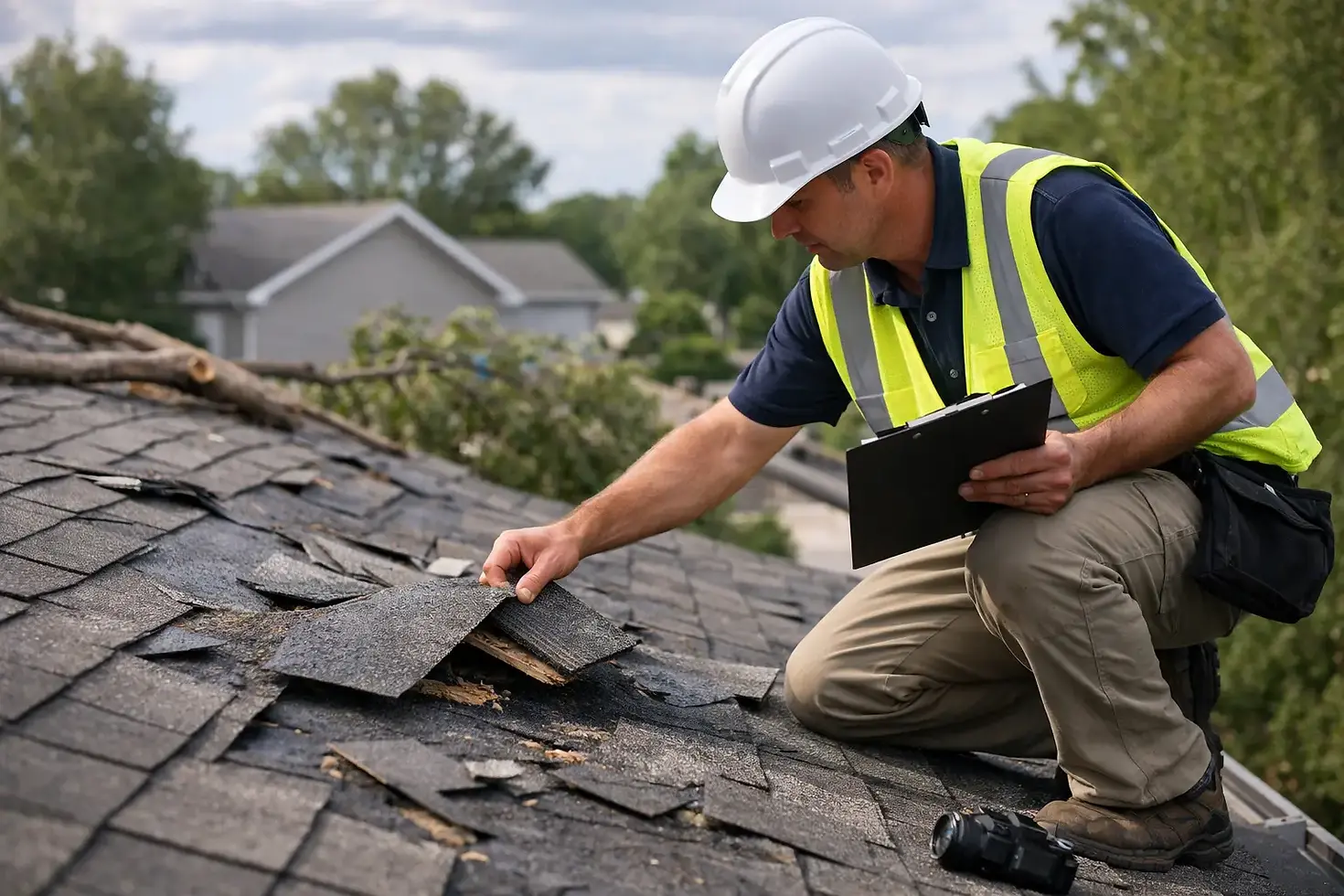
Roof Inspection After Windstorm Damage

A strong windstorm does not need to leave a tree on your roof to cause real damage. In Katy and nearby areas, high winds can lift shingles, loosen flashing, break seal strips, and create openings that do not show up as leaks until the next hard rain. That is why a roof inspection after windstorm damage should happen sooner rather than later, even if everything looks fine from the ground.
The hard part for most property owners is knowing what counts as urgent and what can wait a day or two. If you are a homeowner, business owner, or property manager, the goal is not to become a roofing expert overnight. The goal is to catch trouble early, document what happened, and make smart decisions before minor damage turns into a bigger repair.
Why a roof inspection after windstorm damage matters
Wind damage is easy to underestimate because it does not always leave obvious signs. A few missing shingles are clear enough, but many wind-related issues are less visible. Shingles can crease without fully tearing off. Metal edge components can loosen just enough to let water work underneath. Flashing around vents, chimneys, skylights, and wall transitions can shift out of place.
Once that protective system is disturbed, your roof may still hold for a while. Then the next storm hits, water gets in, and now you are dealing with stained ceilings, wet insulation, interior drywall damage, or even mold concerns. On commercial buildings, hidden membrane damage or lifted seams can lead to larger sections failing later.
A timely inspection also helps with documentation. If you end up filing an insurance claim, clear notes and photos taken close to the storm date can make the process smoother. Waiting too long can create questions about when the damage happened or whether it got worse because repairs were delayed.
What to do right after the storm
Start with safety. If there are downed power lines, fallen limbs, active leaks near electrical fixtures, or visible structural concerns, stay clear and call the right emergency professionals first. Do not climb onto the roof yourself, especially when surfaces are wet, steep, or possibly unstable.
From the ground, look around the property carefully. Check for shingles in the yard, pieces of flashing, dented gutters, displaced roof vents, or debris impact. Pay attention to fencing and trees too. If the wind was strong enough to scatter heavy outdoor items or break branches, your roof may have taken more stress than you think.
Inside the building, look for fresh water stains, damp attic insulation, musty smells, bubbling paint, or drips around ceiling penetrations. Sometimes the first sign of roof damage shows up indoors, not outside.
If you can do it safely, take date-stamped photos of anything you notice. Wide shots help show overall conditions, and close-ups help show detail. That record matters whether you need a simple repair or an insurance conversation later.
What a professional roofer looks for
A proper windstorm inspection is more than a quick glance at missing shingles. A roofer should check the full roofing system, because wind rarely damages just one isolated spot.
On shingle roofs, that means checking for lifted, creased, torn, or missing shingles, exposed fasteners, broken seal strips, damaged ridge caps, and loose flashing. The inspector should also look at valleys, pipe boots, drip edge, and the condition of gutters and downspouts, since wind can shift those parts too.
On metal roofs, the focus may include loose panels, backed-out fasteners, displaced trim, and signs that wind has stressed seams or edge details. On flat or low-slope commercial roofs, inspectors often check for membrane punctures, open laps, lifted flashing, edge metal issues, and rooftop equipment areas where wind pressure can create weak points.
The attic or underside of the roof can also tell an important story. Daylight coming through decking, damp insulation, staining, or signs of airflow where it should not be can confirm that the wind compromised the roof assembly.
Some damage is obvious. Some is not.
This is where a lot of people get tripped up. If half a slope is missing shingles, everyone agrees it needs attention. But many wind claims start with subtler damage that still affects performance.
For example, a shingle can be lifted and bent enough to break its seal or create a crease line. It may lie back down and look almost normal from the yard. That does not mean it is fine. Once that shingle has lost its seal or integrity, it is more likely to fail in the next storm.
The same goes for flashing. A small separation around a vent pipe may not leak the same day. But give it one driving rain, and water can follow the opening into decking or underlayment. The trade-off here is simple: waiting can save a service call if the roof is truly untouched, but it can cost far more if hidden damage is allowed to sit.
When to call for help immediately
Some situations should move to the top of the list. If you see water entering the building, missing roofing materials, sagging sections, flashing pulled loose, punctures from debris, or signs that rooftop equipment shifted, call a roofer right away. The same goes for commercial properties where even a small breach can interrupt operations or damage inventory.
If the building is older, the urgency can be even higher. Aging roofs usually have less margin for error after a wind event. Materials that were already brittle, worn, or nearing the end of their service life can fail faster once wind gets under them.
A newer roof is not automatically in the clear either. Poor installation, low-quality repairs, or weak flashing details can show up quickly during severe weather. Age matters, but workmanship matters too.
Insurance questions homeowners and property managers often have
After a storm, one of the biggest concerns is whether the damage is worth filing a claim. The honest answer is that it depends on the extent of damage, your deductible, the age and condition of the roof, and what your policy covers.
That is one reason a clear inspection matters. You need to know whether you are looking at a small repair, widespread wind damage, or issues that existed before the storm and were simply made more visible. A dependable roofer should explain the difference plainly, not push you toward a claim before the facts are clear.
Good documentation helps here. Photos, notes about the storm date, interior damage records, and a professional inspection report can all support the process. If temporary protection is needed, such as tarping, do not delay. Insurance carriers generally expect property owners to take reasonable steps to prevent further damage.
Why fast action can save money
People often assume waiting a week or two will not change much. Sometimes that is true. Sometimes it is the reason a manageable repair becomes a larger project.
A lifted shingle can lead to underlayment exposure. A minor flashing gap can let moisture into wood decking. Wet insulation loses performance and can spread moisture farther than expected. By the time a stain appears on a ceiling tile or drywall, the path of water may be much bigger than the visible spot.
For commercial buildings, the cost of delay can include tenant complaints, downtime, damaged equipment, and disruption to daily operations. For homeowners, it often means repairs spread beyond the roof into paint, sheetrock, flooring, or contents.
What to expect from a dependable inspection process
A good inspection should leave you with clarity. You should know what was found, what is cosmetic, what is functional damage, whether temporary protection is needed, and what the next step looks like. If repairs are recommended, the explanation should be straightforward.
That kind of clear communication matters after a storm because property owners are already dealing with enough. They do not need pressure or vague answers. They need someone who shows up, checks the roof carefully, documents the findings, and tells the truth about the condition of the system.
For property owners in this area, that local storm experience matters. Wind patterns, roofing types, and common failure points in the Katy and greater Houston market are not theoretical. They show up every storm season.
If your roof has been through a hard wind event, trust what the storm may have done even if you cannot see it yet. A timely inspection gives you options, and options are always better than surprises coming through the ceiling.


Comments