
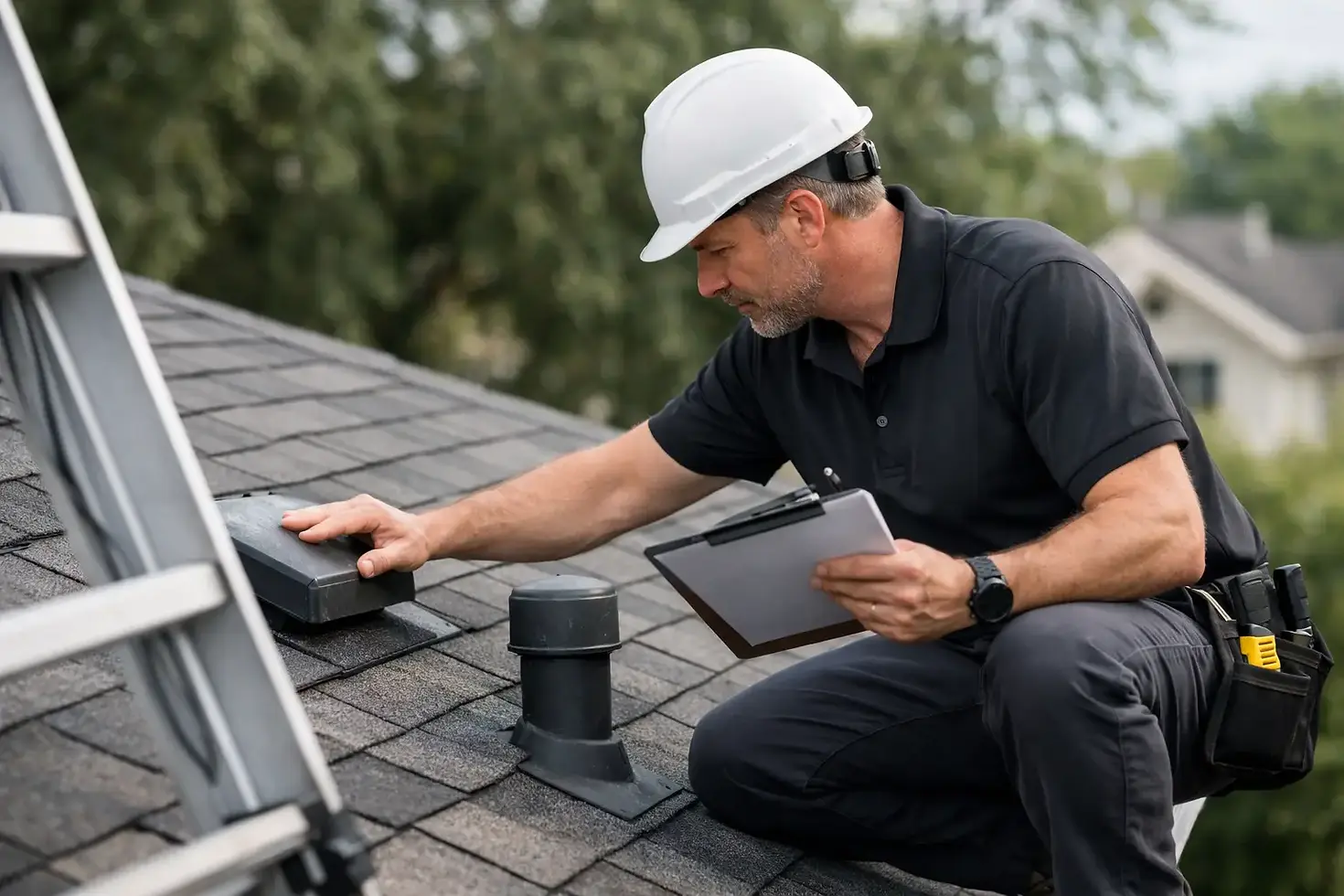
What Do Roof Inspectors Look For?

A lot of property owners ask for an inspection only after they spot a ceiling stain or find shingles in the yard. By that point, the real question is usually bigger: what do roof inspectors look for, and what can those findings tell you about repair costs, remaining roof life, or whether storm damage is involved?
A good roof inspection is not just a quick glance from the ground. It is a full check of the roofing system, how it is aging, and where it may be vulnerable next. The goal is simple - find problems early, document damage clearly, and help you make the right call before a small issue turns into a bigger repair.
What do roof inspectors look for during an inspection?
The first thing roof inspectors look for is the overall condition of the roof surface. On a shingle roof, that means checking for missing shingles, lifted tabs, cracking, granule loss, exposed nail heads, and uneven areas that can signal hidden damage underneath. On flat or low-slope commercial roofs, the focus shifts more toward membrane condition, punctures, seam separation, standing water, blistering, and edge detail failure.
Age matters too, but age alone does not decide whether a roof is in good shape. Some roofs hold up well because they were installed correctly and maintained. Others have issues early because of poor ventilation, storm impact, or shortcuts during installation. A solid inspection looks at condition first, then uses age as part of the bigger picture.
Inspectors are also watching for signs of movement. A roof should lie flat and perform as designed. If they see sagging sections, dips, soft spots, or waviness, that can point to decking problems, trapped moisture, or structural concerns that need closer attention.
Shingles, tiles, panels, or membrane condition
The roofing material itself tells a large part of the story. Asphalt shingles may show hail bruising, wind lift, curling, thermal cracking, or surface wear. Metal roofs may have loose fasteners, failed sealant, corrosion, or panel damage. Tile roofs can crack or slip out of place. Modified bitumen, TPO, or other commercial systems may show seam issues or impact damage from foot traffic and debris.
Not every worn-looking roof needs replacement right away. Sometimes the damage is isolated, and a targeted repair makes sense. Other times, widespread wear across multiple areas means repairs would only buy a little time. That is where a clear inspection helps. You want to know whether you are dealing with a fixable issue or a roof that is reaching the end of the line.
Flashing and penetrations
Some of the most common leaks do not start in the middle of the field. They start around roof penetrations and transition points. Inspectors pay close attention to flashing around chimneys, vents, skylights, wall intersections, HVAC units, plumbing boots, and valleys because these spots take more stress and are more likely to fail.
Flashing problems can come from rust, loose fasteners, bad sealant, storm movement, or improper installation. Even a newer roof can leak if the flashing work was rushed. That is why an inspection should never stop at the shingles alone. The accessories and details often decide whether the system stays watertight.
Signs of leaks and moisture intrusion
A roof can have damage long before water becomes visible inside. Inspectors look for subtle signs of moisture entry, including dark staining, softened decking, mold-like growth, deteriorated underlayment, and insulation problems in the attic or roof cavity. Inside the building, they may note ceiling stains, peeling paint, musty odors, or warped drywall.
Moisture does not always travel straight down. Water can enter at one point and show up several feet away, which is why leak tracing takes experience. The stain on your ceiling may not sit directly below the actual problem. That is one reason homeowners and property managers can get frustrated trying to guess where a leak started.
Attic ventilation and heat buildup
Ventilation is a major part of roof performance, especially in hot Texas conditions. Inspectors often check whether intake and exhaust ventilation are balanced and whether the attic is trapping excess heat or moisture. Poor ventilation can speed up shingle aging, contribute to mold, and create conditions that shorten the life of the entire system.
This is one of those areas where the answer is not always obvious from the outside. A roof may look acceptable from the yard but still be aging faster because the attic is not breathing correctly. When that happens, replacing shingles without fixing ventilation can lead to the same problems all over again.
Storm damage roof inspectors watch for
In areas that see strong wind, hail, and heavy rain, inspectors spend a lot of time checking for weather-related damage. Wind can break the seal on shingles, crease them, tear them away, or loosen ridge materials and flashing. Hail can bruise shingles, knock off protective granules, dent metal components, and damage soft metals around vents and other penetrations.
Not all storm damage is dramatic. Some signs are easy to miss if you do not know what you are looking at. A roof may still appear mostly intact from the ground while holding enough wind or hail damage to justify repair or an insurance review. That is why timely documentation matters after a major storm.
For commercial properties, storm damage can show up as punctures, displaced membrane seams, lifted edge metal, clogged drains from debris, or impact marks around rooftop equipment. The stakes can be high because one weak area on a low-slope roof can let in a lot of water fast.
Drainage and gutter performance
Water has to move off the roof the way it was designed to. Inspectors check gutters, downspouts, scuppers, drains, and roof slopes to make sure drainage is working. If water is backing up, overflowing, or ponding, the roof is under more stress than it should be.
On residential roofs, clogged or damaged gutters can push water under the roof edge or create fascia and soffit problems. On commercial roofs, poor drainage can add weight, speed up membrane wear, and increase the chance of leaks. A roof does not have to be actively leaking for drainage problems to deserve attention.
Installation problems inspectors often find
Not every roof problem comes from age or weather. Some come from how the roof was installed in the first place. Inspectors may find misaligned shingles, incorrect nailing patterns, reused flashing, poor sealant work, inadequate underlayment, or repairs that were done as a temporary patch and never corrected properly.
These issues matter because they change what the next step should be. If the roof is generally sound but one installation detail failed, a repair may solve it. If the roof has a pattern of workmanship problems across multiple areas, you may be looking at recurring issues until larger corrections are made.
This is also why two roofs of the same age can be in very different condition. Materials matter, but workmanship matters just as much.
What roof inspectors look for before recommending repair or replacement
An inspection is not just about making a list of defects. It is about figuring out severity, spread, and urgency. Inspectors are trying to answer a few practical questions. Is the damage isolated or widespread? Is the roof still serviceable? Can repairs be made cost-effectively? Is there active water intrusion? Is this likely storm-related, maintenance-related, or age-related?
That is where honest communication matters. Some roofs truly need replacement. Others can be repaired and maintained for years. The right answer depends on the roof type, how many layers are in place, the condition of the decking, the extent of damage, and how the building is used. A retail building, family home, warehouse, and office property do not all carry the same risk tolerance when leaks start.
For owners in Katy, Fulshear, Sugar Land, and nearby areas, weather swings can also speed up decision-making. If a roof is already weak heading into storm season, putting off action may cost more later.
How to get the most from a roof inspection
If you are scheduling an inspection, help the process by sharing what you have noticed. Mention recent storms, interior leaks, rooms where stains have appeared, repair history, and how old the roof is if you know. Photos from when the problem first appeared can be helpful too.
Ask for findings in plain language. You should understand what was found, where it was found, how urgent it is, and whether repair or replacement is being recommended. If insurance may be part of the picture, clear documentation becomes even more important.
A dependable contractor should not rush you, bury you in jargon, or push a full replacement when a repair is the smarter move. At Cobra Contracting & Construction LLC, that straightforward approach matters because property owners need answers they can act on, not more stress.
The best time to find a roofing problem is before water gets inside. If your roof has been through a storm, is showing signs of age, or just has not been checked in a while, an inspection can give you a clear path forward and a lot fewer surprises.


Comments