

Roofing Contractor Versus Handyman: Who to Call?

A roof leak rarely shows up at a convenient time. It may start as a stain on the ceiling after a hard Katy storm, then turn into wet insulation, damaged drywall, or a growing concern about mold. When homeowners compare a roofing contractor versus handyman, the real question is not just who can make a quick repair. It is who can identify the source, fix it correctly, and help protect the property from the next round of wind and rain.
A handyman can be a good resource for many small jobs around a home or business. Roofing is different. Your roof is a complete system made up of shingles or roofing material, flashing, underlayment, ventilation, drainage, and structural components. A problem in one area can cause damage somewhere else. That is why the right choice depends on the scope, urgency, and risk of the work.
Roofing Contractor Versus Handyman: The Main Difference
A handyman is typically a general repair professional. They may handle tasks such as fence repairs, minor drywall work, door adjustments, painting, fixture replacement, and basic maintenance. Some handymen also offer small roof-related repairs, especially when the issue appears simple.
A roofing contractor specializes in roofing systems. Their work is focused on diagnosing roof conditions, making repairs, replacing damaged materials, installing new roofs, maintaining commercial and residential roofing, and addressing storm-related damage. A qualified roofing contractor understands how materials work together and how Texas heat, heavy rain, wind, and hail can affect a roof over time.
The difference matters because what looks like a loose shingle may actually be failed flashing around a pipe vent, wind damage extending beyond one section, or a ventilation issue that is shortening the life of the roof. A patch that covers the visible problem without addressing the cause can lead to another leak later.
When a Handyman May Be a Reasonable Choice
There are situations where a handyman may be appropriate, particularly when the work is clearly minor and does not involve diagnosing an active roof problem. For example, a handyman may be able to clean accessible gutters, replace a piece of damaged fascia, secure a loose exterior trim board, or handle a small non-roof maintenance item discovered near the eaves.
The key is to be honest about what the job involves. If the roof is not leaking, the work is limited, and there is no concern about storm damage or widespread deterioration, a handyman may help with a basic exterior task at a lower upfront cost.
Still, homeowners should ask direct questions before authorizing any roof-related work. Does the person regularly repair roofs? Can they explain what caused the issue? Do they carry appropriate insurance? Will they stand behind the work if the problem returns? A low initial price is not a good value if water gets back in during the next storm.
When You Need a Roofing Contractor
Call a roofing contractor when water is entering the building, shingles are missing or lifted, flashing is damaged, or the roof has been hit by hail or strong winds. These are not situations for guesswork. A roof professional should inspect the affected area and the surrounding sections to determine whether the damage is isolated or part of a larger issue.
A contractor is also the better choice for roof replacements, reroof installations, recurring leaks, aging roofs, commercial roofing concerns, and maintenance planning. These jobs require material knowledge, proper installation practices, and an understanding of how the roof should perform over time.
For property managers and business owners, the stakes can be even higher. A leak above an office, retail space, warehouse, or tenant area can interrupt operations and create liability concerns. Quick action matters, but so does having a clear plan for repair, documentation, and ongoing maintenance.
Storm Damage Is Not a Simple Patch Job
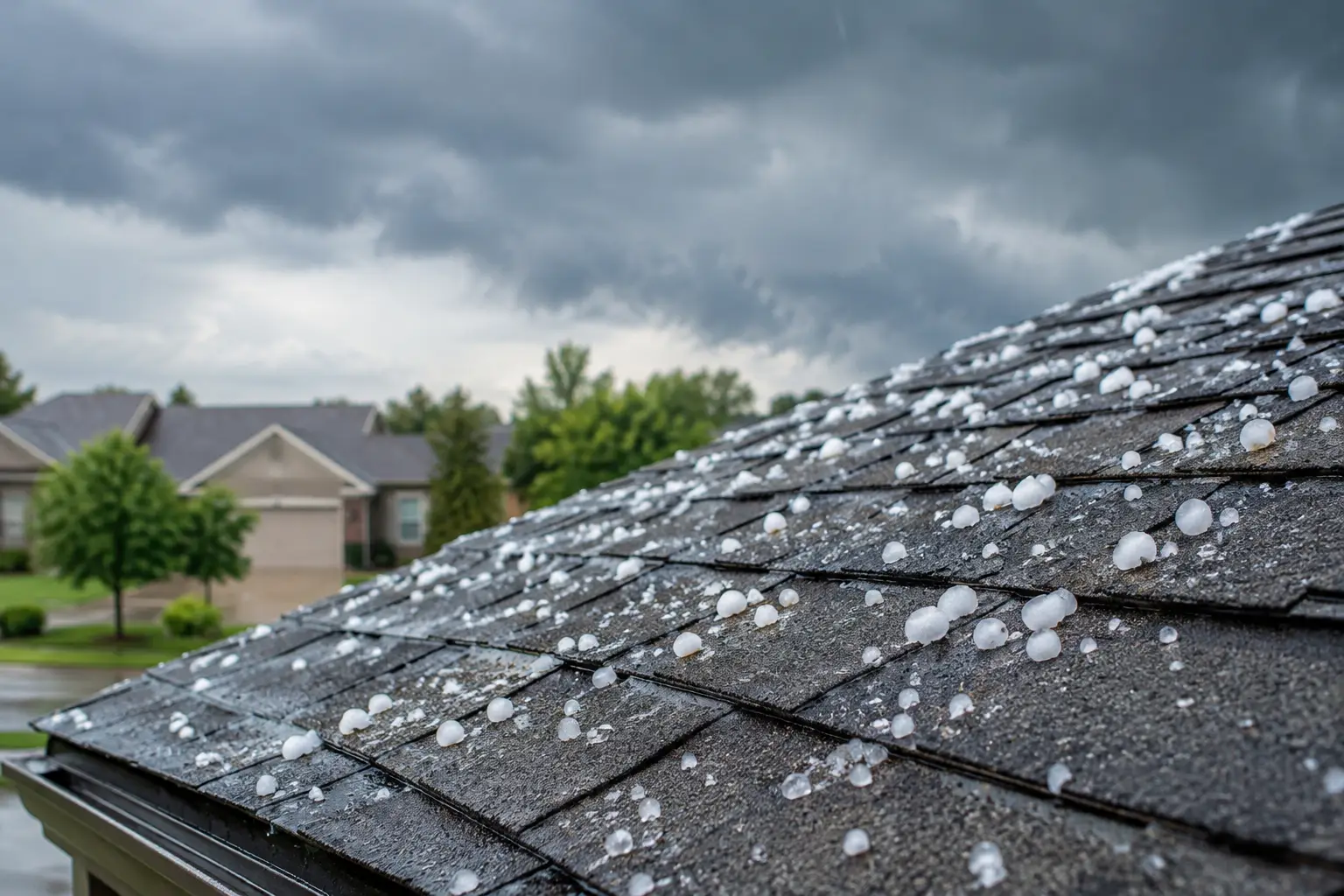
Houston-area weather can be rough on a roof. Hail can bruise shingles without leaving an obvious hole. Wind can break seals that hold shingles in place. Blown debris can damage vents, flashing, or gutters. Water may not appear inside immediately, which is why a roof can look fine from the ground while problems are developing underneath.
After a major storm, a roofing contractor can inspect for storm-related damage and explain the findings in plain language. If an insurance claim may be involved, detailed documentation and a clear assessment can help reduce confusion during an already stressful situation. A handyman may spot visible damage, but a roofing specialist is better equipped to evaluate the full roofing system and determine what repair or restoration is truly needed.
Cost: Look Beyond the First Number
The cost comparison between a roofing contractor and a handyman can be misleading if you only compare the first estimate. A handyman may charge less for a small patch. That can make sense for a truly minor issue. But if the repair fails, masks a larger problem, or creates new damage, the final cost may be much higher.
A roofing contractor may charge more because the work includes a more complete inspection, roofing-specific materials, trained labor, safety measures, and accountability for the repair. For a roof that protects your home, inventory, tenants, equipment, or family, that added value often matters.
It depends on the job. No honest contractor should push a full replacement when a repair will solve the issue. At the same time, no one should sell a temporary patch as a permanent answer when the roof is worn out or storm damage is widespread. Good advice starts with an accurate assessment.
Questions to Ask Before Hiring Anyone
Whether you are considering a handyman or roofing company, clear communication should be part of the process. Ask what they found, what they recommend, and why. You should know whether the work is a short-term repair, a long-term repair, or part of a larger roof issue.
Ask about experience with your type of roof, especially if you have a low-slope commercial roof, older shingles, complex flashing areas, or recent storm damage. Confirm that the scope of work is in writing and that the person performing the work is properly insured. For larger repairs and replacements, ask about workmanship coverage and what happens if you have concerns after the work is complete.
You should also pay attention to how the contractor communicates. Roofing problems can feel overwhelming, especially when a leak is active or an insurance claim is involved. The right company will not bury you in jargon or pressure you into a decision. They will explain the condition of your roof, give you practical options, and follow through on what they promise.
Protect the Roof Before the Next Storm
Waiting until water reaches the ceiling is one of the most expensive ways to manage a roof. Regular roof maintenance and inspections can catch cracked sealant, loose flashing, clogged drainage, exposed fasteners, and aging materials before they become emergency repairs.
This is especially valuable for commercial property owners and managers, where a small roof issue can affect multiple tenants or disrupt business activity. It also helps homeowners plan ahead instead of making a rushed decision after a storm.
Cobra Contracting & Construction LLC works with residential and commercial property owners who need straight answers, responsive service, and roofing work that is handled with care. From a small repair to storm restoration or a full reroof, the goal should be the same: fix the right problem and protect the property for the long haul.
If a roof concern involves water, weather damage, missing materials, repeated repairs, or uncertainty about the roof’s condition, call a roofing contractor first. A clear inspection now can save you from a much bigger repair later.


Comments