
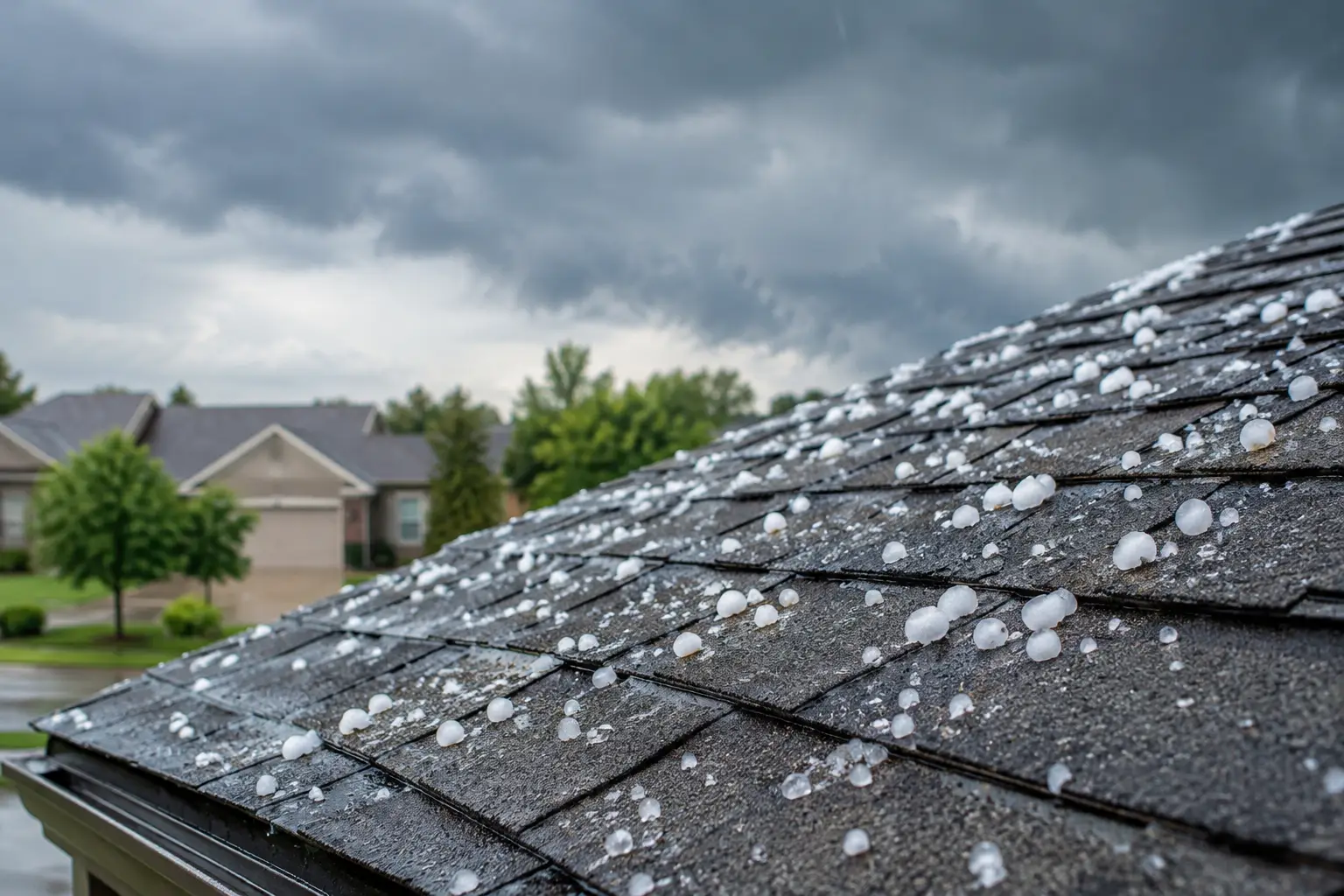
Will Hail Void Roof Warranty Coverage?

A hailstorm can leave a roof looking mostly normal from the ground while causing damage that shows up months later as leaks, missing granules, or weakened shingles. So, will hail void roof warranty coverage? Usually, no. Hail itself does not normally cancel a roof warranty. But storm damage, repair choices, and missed maintenance can affect what a manufacturer or contractor will cover afterward.
The key is knowing which warranty you have, what it covers, and what to do right after a storm. For homeowners and commercial property owners in the Katy area, that can mean the difference between a straightforward repair and a much bigger roofing expense.
Will Hail Void Roof Warranty Coverage?
In most cases, hail is considered an outside event, not a product defect or installation failure. That means hail damage is generally not covered by a manufacturer’s material warranty or a contractor’s workmanship warranty. It also does not automatically void either warranty.
A manufacturer warranty is meant to cover defects in the roofing materials themselves. For example, it may apply if shingles fail prematurely because of a manufacturing problem. A workmanship warranty covers installation-related issues, such as improper flashing, incorrect fastening, or other errors tied to the original roof installation.
Hail falls into a different category. It is weather damage, and it is typically handled through a property insurance policy if the policy includes wind and hail coverage. Your roof warranty can remain active after a storm, but it will not usually pay for the hail damage itself.
There are exceptions. Every warranty has its own terms, exclusions, and maintenance requirements. The written warranty is the final word, not a verbal promise or a general assumption about coverage.
What Can Put a Roof Warranty at Risk After Hail?
The storm is rarely the problem by itself. What happens after the storm may create warranty issues.
Unapproved repairs or alterations
If someone makes a repair that changes the roofing system, uses incompatible materials, or installs components incorrectly, the manufacturer may deny coverage for problems connected to that work. This does not always cancel the entire warranty, but it can limit coverage in the affected area.
For example, a quick patch using the wrong sealant or mismatched shingles may stop a visible leak for the moment while creating a larger issue underneath. On a commercial roof, adding penetrations, coatings, or patches without following the system manufacturer’s requirements can be especially risky.
That does not mean you should wait to repair active storm damage. Water intrusion needs prompt attention. It means the work should be completed by a qualified roofing contractor who can identify the roof system and make repairs that fit its requirements.
Delaying needed repairs
Hail bruises shingles by knocking loose protective granules and damaging the asphalt layer beneath. The damage may not leak immediately. Over time, however, sun, heat, and rain can wear down the compromised area faster than normal.
If an inspection identifies storm damage and it is left unaddressed until leaks or interior damage develop, an insurer or warranty provider may argue that part of the loss resulted from neglect or poor maintenance. The original hail event may still be documented, but waiting can make the claim more difficult and the repair more expensive.
Improper maintenance
A warranty does not replace normal roof care. Most roofing systems require property owners to keep debris off the roof, maintain drainage, address flashing problems, and avoid damage from foot traffic or unauthorized work.
For commercial property owners, ponding water, clogged drains, and HVAC service work are common concerns after a storm. For homeowners, loose gutters, tree limbs, and attic ventilation issues can make a damaged roof deteriorate faster. Keep records of inspections and repairs. Good documentation helps show that the roof was cared for responsibly.
Mixing up storm damage and product failure
A warranty provider may inspect a roof and determine that the problem is weather-related rather than a defective product. That can feel frustrating, especially if the roof is newer. But it does not necessarily mean the warranty was voided. It means the source of the damage falls outside the warranty’s purpose.
This distinction matters when deciding whether to contact your insurer, your roofing contractor, the manufacturer, or all three. A professional inspection can help sort out the likely cause before you spend time pursuing the wrong type of claim.
Warranty Coverage and Insurance Coverage Are Different
Many property owners hear “not covered by the warranty” and assume they are out of options. That is not always true. Roof warranties and insurance policies serve different jobs.
Your warranty may cover a qualifying issue with materials or workmanship. Your insurance policy may cover sudden hail or wind damage, subject to your deductible, policy limits, exclusions, and claim requirements. Neither one is designed to cover every possible roof problem.
A storm can also reveal an existing issue. For instance, hail may damage shingles, while an inspection also finds older flashing failure around a chimney or vent. Insurance may address the storm-related damage, while a separate repair may be needed for pre-existing wear. A trustworthy roofer should explain that difference clearly instead of trying to force every issue into one claim.
What to Do After a Hailstorm
Start with safety. Do not climb onto a wet or damaged roof to look for dents. From the ground, look for obvious signs such as downed branches, missing shingles, damaged gutters, dented metal vents, or shingle granules collecting near downspouts.
Then schedule a professional roof inspection. Hail impacts can be subtle, especially on darker shingles or low-slope commercial roofing. A trained inspector can check shingles, flashing, vents, roof penetrations, gutters, and other areas that often show evidence of storm impact.
Take photos of visible conditions around the property and note the storm date. Keep copies of inspection reports, repair invoices, and communications with your insurance company. If a repair is needed, ask what materials will be used and whether the work could affect an existing manufacturer or workmanship warranty.
If you decide to file an insurance claim, avoid signing paperwork you do not understand or agreeing to a full replacement before the scope is clear. A contractor can provide damage documentation and explain repair options, but the insurance carrier makes the final coverage decision.
Questions to Ask Before Authorizing Repairs
Before work begins, ask whether the roof has an active manufacturer warranty, a contractor workmanship warranty, or both. Find out whether the proposed repair uses compatible materials and whether any warranty registration or approval is required.
You should also ask whether the damage appears to be isolated or widespread. A few repairable hail strikes may call for a targeted repair. Broad damage across multiple slopes, broken shingles, exposed matting, or compromised commercial membrane areas may point to a larger restoration need. The right answer depends on the roof’s age, condition, material, and the extent of the storm damage.
For property owners who are unsure where to start, Cobra Contracting & Construction can inspect the roof, explain the findings in plain language, and help document storm-related concerns. The goal is not to create pressure. It is to give you a clear picture of what your roof needs and what steps make sense next.
Protect Your Roof and Your Coverage
The best way to protect a roof warranty after hail is simple: act promptly, use qualified help, and keep a paper trail. Do not assume a roof is fine because there is no leak today, and do not assume a warranty will pay for weather damage just because the roof is still under coverage.
After a major storm, a timely inspection gives you facts before small damage turns into a larger disruption. That peace of mind is worth having, especially when the next Texas storm is never far away.


Comments